Haben Sie sich schon einmal gefragt, wie Sie in Verhandlungen Entscheidungen treffen? In einer komplexen Verhandlung fällen Sie Hunderte davon. Die meisten unbewusst, andere nach reiflicher Überlegung. Doch worauf basieren diese Entscheidungen? Folgen Sie Ihrem Bauchgefühl? Diskutieren Sie im Gremium und stimmen ab? Erstellen Sie Pro-und-Contra-Listen? Recherchieren Sie? Oder entscheiden Sie gar nicht – was bekanntlich ebenfalls eine Entscheidung ist?
Eines ist sicher: Sie werden nie alle Informationen haben. Wie entscheidet die Gegenseite? Ist ihr Vorstand wirklich so geschlossen, wie er nach aussen wirkt, oder prägen interne Dynamiken die Entscheidungsfindung? Die ehrliche Antwort: Sie wissen es nicht – Sie müssen es herausfinden.
Genau hier wird Entscheidungsfindung zur Kernkompetenz erfolgreicher Verhandler. Oft wird sie als Gegensatz von Analyse und Intuition dargestellt. Das greift jedoch zu kurz und sagt wenig darüber aus, wie Organisationen Entscheidungen tatsächlich in Prozesse einbetten. Spoiler: Die meisten tun es nicht. Deshalb lohnt sich ein Blick auf zwei Perspektiven.
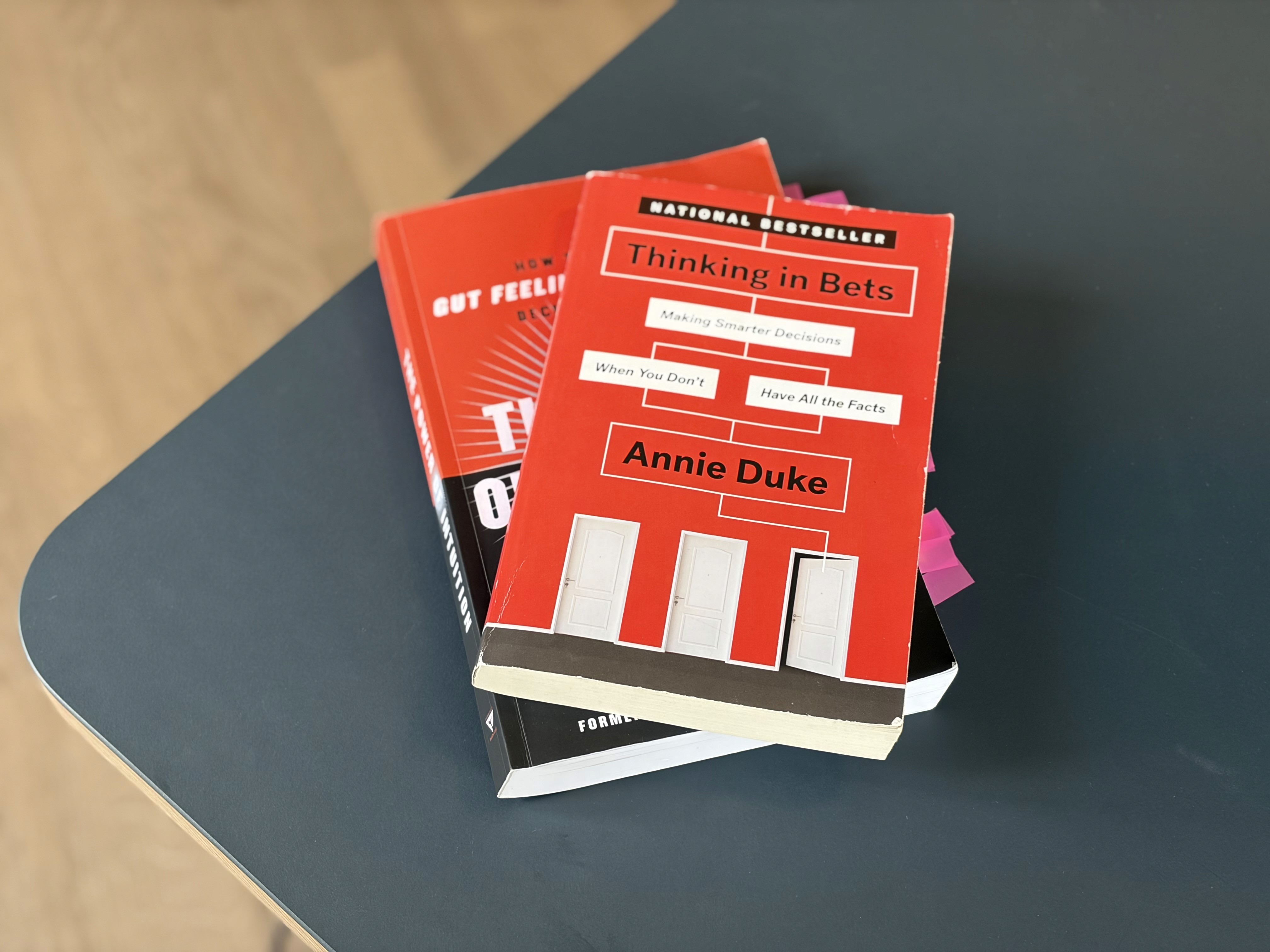
Annie Duke, ehemalige professionelle Pokerspielerin und Autorin von Thinking in Bets, beschreibt Entscheidungen als Wetten: auf mögliche zukünftige Ergebnisse, basierend auf unseren Überzeugungen. Wir wählen also den nächsten Schritt so, wie wir glauben, dass er uns künftig besser stellt. Im Zentrum steht dabei die Wahrscheinlichkeit. Wie im Poker wissen wir nie genau, was passieren wird – auch in Verhandlungen nicht. Wie wird die Gegenseite reagieren?
Dukes Ansatz fordert, Unsicherheit zu quantifizieren: „Ich bin zu 60 Prozent zuversichtlich“ oder „zu 80 Prozent sicher“. Eine Zahl zwingt dazu, sich mit dem eigenen Nichtwissen auseinanderzusetzen. Jeff Bezos und der verstorbene ehemalige US-Aussenminister Colin Powell sind beide bekannt dafür, Entscheidungen mit nur 40 bis 70 Prozent der verfügbaren Informationen zu treffen. Gleichzeitig versuchen Organisationen häufig, Unsicherheit möglichst zu eliminieren. Genau hier setzt Dukes Ansatz an – vorausgesetzt, die Analyse erfolgt ehrlich und sorgfältig.
Der Haken: Mehr Informationen führen selten automatisch zu besseren Entscheidungen. Ab einem gewissen Punkt lässt sich Unsicherheit nicht weiter reduzieren – man muss lernen, mit ihr umzugehen. Wie eine Organisation das tut, ist ein guter Indikator für ihre Führungs- und Verhandlungskultur.
Bemerkenswert ist, dass Duke – entgegen gängigem Managementdenken – dazu rät, Unsicherheit offen auszusprechen: „Ich bin mir nicht sicher.“ Das erfordert Mut und eine Kultur, die solche Aussagen zulässt. In der Praxis gilt jedoch oft das Gegenteil: Sicherheit wird belohnt, Unsicherheit als Schwäche wahrgenommen. Doch lässt sich Unsicherheit wirklich durch ein paar zusätzliche PowerPoint-Folien beseitigen?
Vielleicht denken Sie jetzt: Ich brauche keine Wahrscheinlichkeiten. Ich weiss meist, was zu tun ist. Das stimmt teilweise. Aber auch hier lohnt sich ein differenzierter Blick.
Damit kommen wir zum zweiten Ansatz: Gary Kleins The Power of Intuition. Klein beschreibt Intuition nicht als Bauchgefühl oder etwas Mystisches, sondern als die Fähigkeit, Erfahrung in Handlung zu übersetzen. Sie entsteht durch Mustererkennung – aufgebaut über viele vergleichbare Situationen. Aus früheren Verhandlungen wissen Sie, was funktioniert, was nicht und wie Gegenparteien typischerweise auf bestimmte Punkte reagieren.
Die Kehrseite: Intuition entsteht nicht von selbst. Wer sie verbessern will, muss gezielt daran arbeiten – wie ein Profisportler: mit klaren Zielen, Feedback und systematischem Training. Zudem kann Intuition irren. Vielleicht haben Sie in der Vergangenheit falsche Schlüsse gezogen. Oder Sie überschätzen den Einfluss Ihrer eigenen Taktik und unterschätzen den Zufall. Vielleicht reagierte die Gegenseite nicht wegen Ihrer Strategie, sondern aus ganz anderen Gründen.
Hier werden feine Signale entscheidend – etwa die Fähigkeit, Anomalien zu erkennen: Situationen, in denen man spürt, dass etwas nicht stimmt, obwohl alles plausibel erscheint. Das ist anspruchsvoll und selten. Und nebenbei haben Sie noch Ihren eigentlichen Job zu erledigen.
Für Organisationen stellt sich daher nicht die Frage, welcher Ansatz besser ist. Beide sind notwendig – je nach Situation. Wichtiger ist etwas anderes: Beide Perspektiven sind individuell gedacht. Strategische Verhandlungen sind jedoch immer Teamleistungen.
Sie finden nicht im 1:1-Vakuum statt, sondern in komplexen Organisationen mit unterschiedlichen Interessen, Hierarchien und Kulturen. Stakeholder bewerten Wahrscheinlichkeiten unterschiedlich. Oft aber fehlt der Raum, diese Unterschiede produktiv zusammenzuführen. Politische Dynamiken überlagern analytische Klarheit. „Ich bin zu 70 Prozent zuversichtlich“ hilft wenig, wenn unklar ist, wer auf dieser Basis entscheidet.
Auch Intuition variiert stark – abhängig von Erfahrung und Hintergrund. Gleichzeitig fehlt es vielen Schlüsselpersonen an spezifischer Verhandlungskompetenz, weil diese in Organisationen oft nicht als strategisch betrachtet wird. In dieser Situation wirkt Analyse schnell wie ein sicherer Hafen.
Die eigentliche Stärke liegt jedoch woanders: nicht in der Entscheidung zwischen Analyse und Intuition, sondern darin, Entscheidungsfindung in einen strukturierten, wiederholbaren Verhandlungsprozess einzubetten.
Oder anders gesagt: Die entscheidende Frage ist nicht, wie Sie entscheiden – sondern ob Ihre Organisation die Struktur hat, Entscheidungen auch unter Unsicherheit wirksam zu machen.
(Insights)
Mehr Insights.
Hier sind weitere Artikel, die Ihnen gefallen könnten.